
Mummy Sleeping Bag vs Rectangular: Which Is Warmer
When choosing a sleeping bag for camping or outdoor adventures, warmth is often the top priority. One of the most common questions among outdoor enthusiasts is: mummy sleeping bag vs. rectangular—which is warmer? Understanding the structural differences between these two designs helps campers make the right choice based on comfort, insulation efficiency, and intended use.
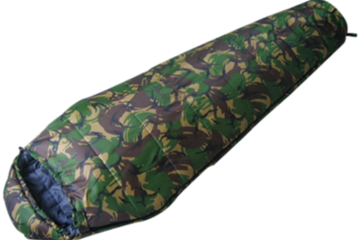
A mummy sleeping bag is designed to closely follow the contours of the human body. It tapers toward the feet and includes a fitted hood that can be cinched around the head. This shape minimizes empty air space inside the bag, allowing body heat to be retained more effectively. Because less air needs to be warmed, mummy sleeping bags are generally considered warmer and more energy-efficient, especially in cold or variable weather conditions.
Rectangular sleeping bags, by contrast, offer a roomier, box-like shape. This design provides greater freedom of movement and a more relaxed sleeping experience, which many campers find comfortable. However, the extra internal space allows more heat to escape, making rectangular sleeping bags less efficient at retaining warmth. As a result, they are typically better suited for mild climates, summer camping, or indoor use.
Insulation performance further highlights the difference between the two designs. Mummy sleeping bags are often paired with high-performance insulation—such as down or advanced synthetic fills—and feature thermal enhancements like draft collars and zipper baffles. These features help block cold air and prevent heat loss, making mummy bags the preferred choice for backpacking, alpine adventures, and winter camping.
Rectangular sleeping bags can still provide adequate warmth, especially when designed with thicker insulation or layered systems. However, achieving the same warmth level as a mummy bag usually requires more insulation, which increases weight and bulk. This makes rectangular bags less practical for hikers or travelers who prioritize portability.
Comfort and sleeping style also matter. Side sleepers or people who feel confined may prefer rectangular sleeping bags, even if they sacrifice some warmth. Meanwhile, those camping in colder environments often choose mummy sleeping bags for their superior heat retention and reduced pack size.
In conclusion, when comparing a mummy sleeping bag vs. rectangular design, mummy sleeping bags are generally warmer due to their snug shape and efficient insulation. Rectangular sleeping bags offer comfort and space but are better suited for warmer conditions. The best choice ultimately depends on the climate, activity level, and personal sleeping preferences of the user.
Latest News
-
Improve Oem Manufacturing Capabilities And Build A Global Professional Supplier Of Outdoor Sleeping Bags
2026-09-14As the global outdoor products market continues to expand, brand customers have put forward higher requirements for product research and development.
-
Create Diversified Picnic Mat Products
2026-09-04As the camping economy continues to develop, picnic mats have become one of the important equipment for outdoor recreation.
-
Improve The Product System For Children And Infant Sleeping Bags
2026-08-24As family camping and parent-child travel become increasingly popular, the market for outdoor products for children and infants continues to grow.
-
Optimize Mummy Sleeping Bag Products To Create A Comfortable Camping Experience
2026-07-31As camping, hiking and outdoor adventure activities continue to heat up, consumers are placing higher demands on sleeping bags that are warm, lightweight and portable.