

How to Choose the Right Mummy Sleeping Bag Temperature Rating
Choosing the right mummy sleeping bag temperature rating is one of the most important decisions for campers, hikers, and outdoor enthusiasts. A sleeping bag that is too warm can cause discomfort, while one that is not warm enough may lead to cold nights and safety risks. Understanding temperature ratings helps ensure comfort, performance, and a better outdoor experience.
Mummy sleeping bags are designed to follow the natural shape of the body, reducing heat loss and improving thermal efficiency. The temperature rating indicates the lowest temperature at which the sleeping bag is expected to keep the average user warm. Most modern sleeping bags follow standardized testing systems, which typically provide three key values: comfort temperature, limit temperature, and extreme temperature. For most users, the comfort rating is the most reliable reference point when making a purchase.
When selecting a temperature rating, the first factor to consider is the typical climate and season of use. For summer camping, a mummy sleeping bag with a higher temperature rating is usually sufficient, offering breathability and lightweight performance. For spring and autumn trips, a mid-range rating provides better insulation against cooler nights. Winter camping requires a low-temperature-rated sleeping bag designed to retain heat in freezing conditions.
Personal sleeping habits also play a significant role. Some people naturally sleep warmer, while others feel cold more easily. If you tend to get cold at night, choosing a sleeping bag with a slightly lower temperature rating than expected can improve comfort. Clothing, sleeping pads, and shelter quality can also affect warmth, so the sleeping bag should be chosen as part of a complete sleep system.
Another important consideration is insulation type. Down-filled mummy sleeping bags offer excellent warmth-to-weight ratios and compressibility, making them ideal for backpacking. Synthetic insulation, while heavier, performs better in damp conditions and dries faster. The insulation quality directly influences how accurately the sleeping bag performs at its rated temperature.
Fit and design should not be overlooked. A well-fitted mummy sleeping bag reduces empty space and helps retain body heat more efficiently. Features such as draft collars, insulated hoods, and zipper baffles can significantly improve thermal performance, especially in colder environments.
Ultimately, choosing the right mummy sleeping bag temperature rating requires balancing environment, personal comfort, insulation type, and overall design. By understanding how temperature ratings work and matching them to your specific outdoor needs, you can ensure restful sleep and reliable warmth on every adventure.
Latest News
-
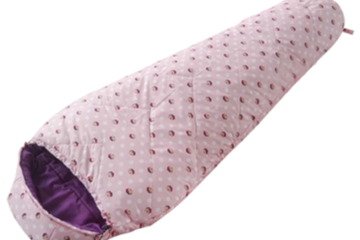
Improve Oem Manufacturing Capabilities And Build A Global Professional Supplier Of Outdoor Sleeping Bags
2026-09-14As the global outdoor products market continues to expand, brand customers have put forward higher requirements for product research and development.
-
Create Diversified Picnic Mat Products
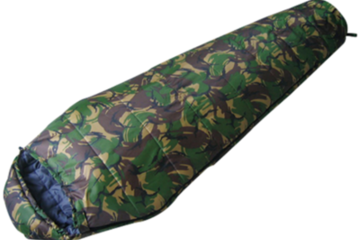
2026-09-04As the camping economy continues to develop, picnic mats have become one of the important equipment for outdoor recreation.
-
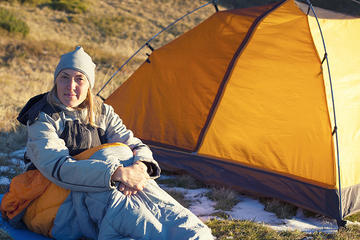
Improve The Product System For Children And Infant Sleeping Bags
2026-08-24As family camping and parent-child travel become increasingly popular, the market for outdoor products for children and infants continues to grow.
-
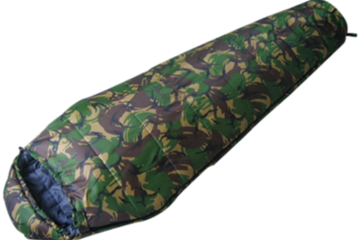
Optimize Mummy Sleeping Bag Products To Create A Comfortable Camping Experience
2026-07-31As camping, hiking and outdoor adventure activities continue to heat up, consumers are placing higher demands on sleeping bags that are warm, lightweight and portable.