

Best Lightweight Mummy Sleeping Bag for Backpacking
For backpackers, every gram matters. Choosing the best lightweight mummy sleeping bag for backpacking can significantly improve comfort, energy efficiency, and overall travel experience on the trail. Designed to balance warmth, packability, and minimal weight, lightweight mummy sleeping bags have become essential gear for hikers, trekkers, and adventure travelers.
One of the key advantages of a mummy sleeping bag is its tapered shape. By closely following the body’s natural contours, this design reduces excess air space and helps retain body heat more efficiently than wider alternatives. For backpackers facing cool nights at higher elevations or changing weather conditions, this efficient heat retention is critical without adding unnecessary bulk.
Weight-saving materials play a major role in modern backpacking sleeping bags. High-quality down insulation remains a popular choice due to its exceptional warmth-to-weight ratio and compressibility. Many of the best lightweight mummy sleeping bags use responsibly sourced down with high fill power, allowing the bag to compress into a small pack size while still offering reliable thermal performance. Advanced synthetic insulation is also gaining attention, especially for backpackers traveling in damp or unpredictable environments, as it retains warmth even when exposed to moisture.
Temperature rating is another crucial factor when selecting a lightweight mummy sleeping bag for backpacking. Most backpackers opt for three-season bags that perform well in spring, summer, and fall. A well-designed mummy sleeping bag with an appropriate temperature rating provides enough insulation for cool nights without overheating in milder conditions. Features such as adjustable hoods, draft collars, and insulated zipper baffles further enhance warmth control.
Durability and comfort should not be overlooked. Ultralight fabrics reduce overall weight, but they must still withstand repeated use on the trail. Many high-performance mummy sleeping bags use ripstop nylon shells and breathable liners to balance toughness and comfort. Smooth interior fabrics also help prevent heat loss while improving sleep quality after long hiking days.
Packability is especially important for long-distance backpacking. The best lightweight mummy sleeping bags compress easily and fit neatly into a backpack without taking up valuable space. This allows hikers to allocate room for food, clothing, and safety equipment while keeping their base weight low.
In conclusion, the best lightweight mummy sleeping bag for backpacking combines an efficient mummy shape, high-performance insulation, reliable temperature rating, and durable yet lightweight materials. By focusing on warmth-to-weight efficiency and practical design, backpackers can enjoy restful sleep and better recovery, making every journey on the trail more comfortable and enjoyable.
Latest News
-
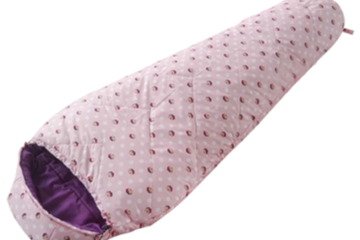
Improve Oem Manufacturing Capabilities And Build A Global Professional Supplier Of Outdoor Sleeping Bags
2026-09-14As the global outdoor products market continues to expand, brand customers have put forward higher requirements for product research and development.
-
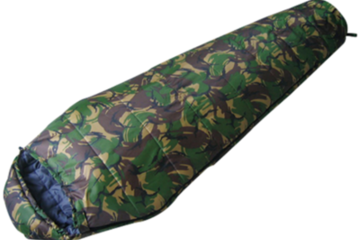
Create Diversified Picnic Mat Products
2026-09-04As the camping economy continues to develop, picnic mats have become one of the important equipment for outdoor recreation.
-
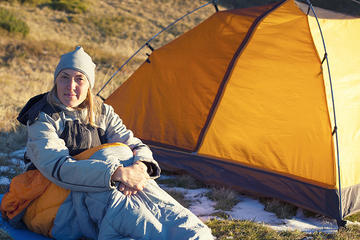
Improve The Product System For Children And Infant Sleeping Bags
2026-08-24As family camping and parent-child travel become increasingly popular, the market for outdoor products for children and infants continues to grow.
-
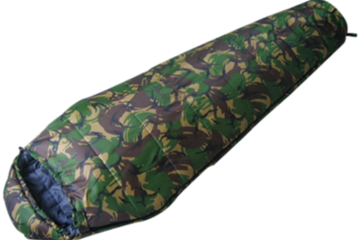
Optimize Mummy Sleeping Bag Products To Create A Comfortable Camping Experience
2026-07-31As camping, hiking and outdoor adventure activities continue to heat up, consumers are placing higher demands on sleeping bags that are warm, lightweight and portable.